So for those of you who aren’t familiar with one or both of these methods of teaching, I’ll put in some links to articles that go a little more in depth about them below, but this article is mostly on kind of the basics of what each of them are and why they can provide such a strong foundation for learning.
What is Montessori
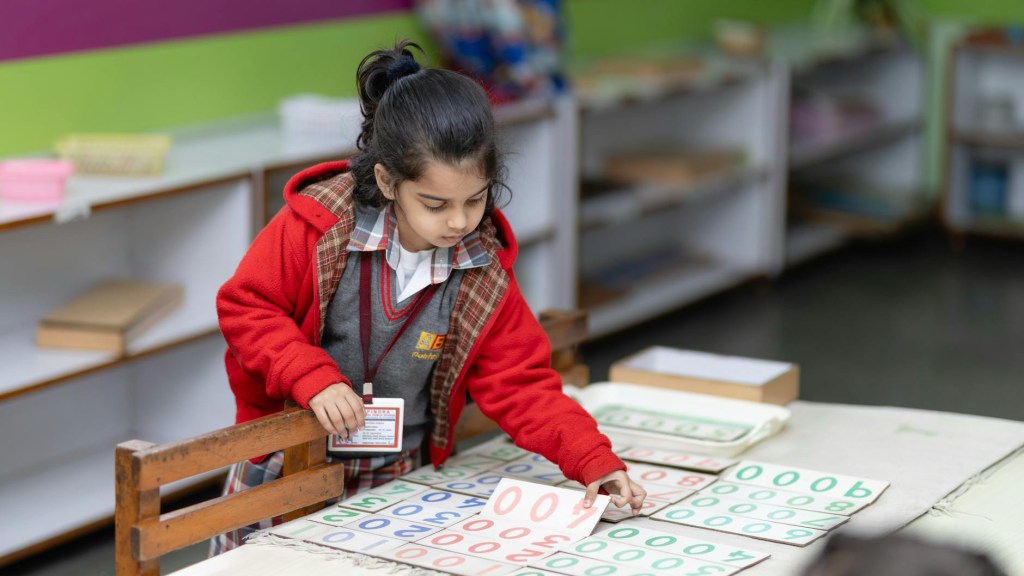
Let’s start with the more well known one—Montessori. At this point many people have heard of Montessori, whether they really know what that is or not varies, but most people have heard of it. Personally, I grew up going to a Montessori elementary school and I think it really helps lay a strong foundation for developing an internal, intrinsic motivation for learning in children. Why does it provide such a good foundation? Montessori education is a child-centered approach that nurtures each child’s natural curiosity and love of learning. Instead of traditional lectures or worksheets, children learn through hands-on materials, multi-sensory learning, self-directed exploration, and collaborative discovery. This method encourages independence, concentration, and confidence while helping students master academic and practical life skills at their own pace.
Why does it work?
While the Montessori method was developed by Dr. Maria Montessori in Italy back in the 1910s, it is continuing to be such a strong method of teaching because it incorporated principles that she developed through her observation of children that we are only now really understanding why they work. Research shows Montessori students often develop strong problem-solving skills, creativity, and intrinsic motivation. By respecting each child’s unique learning style and providing a thoughtfully prepared environment, Montessori education fosters not only academic success but also a lifelong love of learning.
What is Waldorf?
Developed by Rudolf Steiner in the 1920s in Austria, Waldorf education is a holistic approach that nurtures the head, heart, and hands—developing intellect, creativity, and character together. Rooted in the arts and imagination, lessons blend academics with storytelling, music, movement, and nature to inspire a deep love of learning. It incorporates rhythm—seasonal, weekly, daily, internal and external rhythms, and uses a natural rhythm for learning to layer in understanding.

Why does it work?
By honoring the developmental stages of childhood and engaging all the senses, Waldorf education helps students grow into confident, compassionate, and capable individuals. It emphasizes natural materials, and using colorful imaginative elements to make learning engaging and memorable. Its balance of creativity and structure builds not only academic understanding but also emotional resilience and curiosity about the world.
Our Educational Philosophy: Montessori Meets Waldorf
Our school weaves together the best of Montessori and Waldorf education—two time-tested approaches that honor the whole child and the natural joy of learning.
From Montessori, we embrace hands-on exploration, individualized learning, and the development of independence and confidence. From Waldorf, we draw inspiration from the arts, storytelling, nature, and the nurturing of imagination and empathy.
Together, these philosophies create a warm, purposeful environment where children grow academically, creatively, and emotionally—developing not just strong minds, but kind hearts and capable hands.


 Community School Initiative
Leave a comment