
My Thoughts on Early Childhood Education (2025)
Early childhood education has come a long way — classrooms today are far more child-led, imaginative, and hands-on than they were even a generation ago. Still, I think many programs miss the mark in key areas.
One issue is the overstimulating classroom environments — bright, clashing colors, busy rugs, and walls crammed with decorations. Children are deeply affected by their surroundings, and this sensory overload can be counterproductive. Montessori and Waldorf schools handle this better, emphasizing beauty, natural materials, and a calm, home-like aesthetic (though even Waldorf can go a little overboard with rainbows).

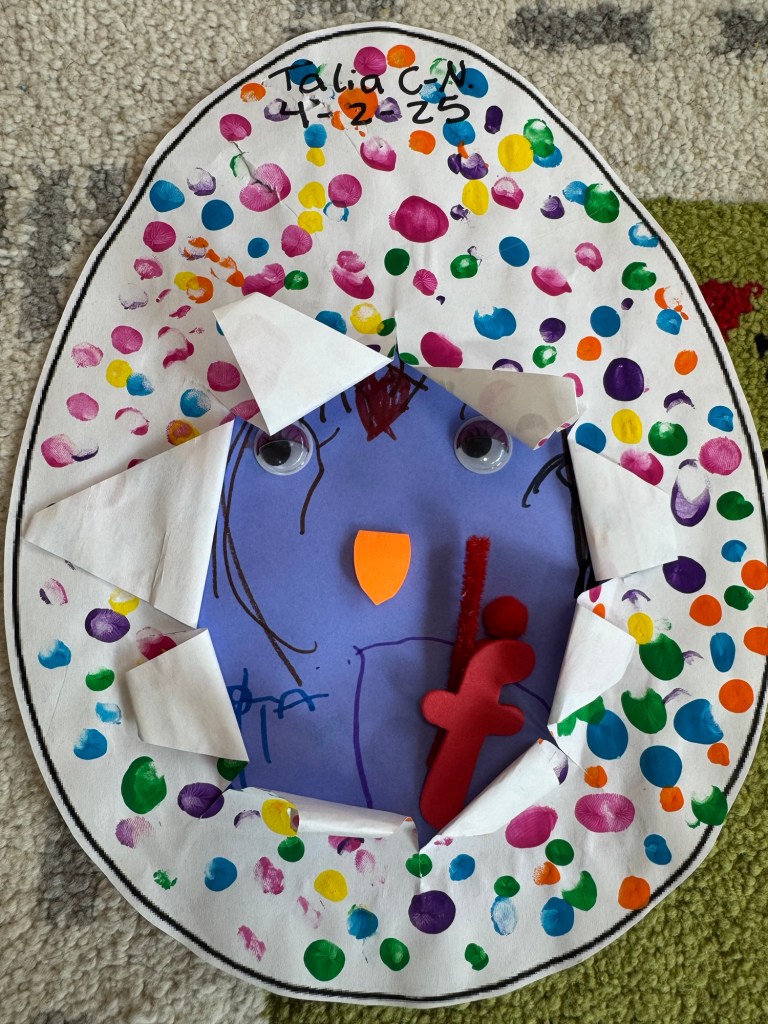
Art is another area that needs balance. Most preschools focus on product-driven crafts — turkey hands, foam stickers, alphabet collages — that don’t really build skills or creativity. Waldorf and Reggio Emilia, in contrast, value process-driven art that encourages exploration and self-expression. Still, some product-based art can be useful for teaching focus and giving children a sense of accomplishment — as long as it remains child-centered and not purely teacher-directed.
When it comes to academics, especially the alphabet and numbers, approaches vary widely. Waldorf delays formal instruction until first grade, Montessori introduces it naturally through tactile materials, and Reggio Emilia is more open-ended. I believe a gentle introduction around ages four or five makes sense, following each child’s readiness. Waldorf’s story-based method for numbers is lovely, while Montessori’s tactile math materials remain, in my opinion, the most effective way to teach mathematical concepts at any age. I also love the Waldorf use of story for introducing the alphabet. While Montessori uses an extremely multi-sensory approach (which studies now show is very effective for learning to read/write).

Classroom management is also come a long way (no more rulers or sitting in a corner with a ‘dunce’ hat—was that ever really a thing?!?). But traditional classrooms utilize a lot of reward systems which may be effective some of the time in the classroom setting but translates poorly outside of the classroom. This is something I have also struggled with from my daughter’s time with public preschool. Montessori promotes discipline being an internal process, something that as a mother of 3, I can say is very true. We have to help them understand why they should be doing something instead of simply forcing compliance. Waldorf takes a similar stance from a more spiritual/anthrophilisophical approach.
I was listening to a Montessori podcast (link below) that actually was interviewing one of my old elementary teachers and what she said at the end hit home hard. “The day we’re doing our job well is the day that no child needs to be first in line.” Having fought against my daughter turning “line-leader” into a thing at home to even cross the courtyard to my parents house, this quote just embodies Montessori learning and discipline. By using “line-leader” we create this artificial reward system of one kid gets to be special and if you form a line, maybe next time you get to be the special one. And while this can seem like it’s working because the kids form a line (although there are then usually fights over who gets to be line-leader), they do so based off of this external motivation system, not because they understand that this is what they need to do and they need to work together. So while stickers and reward charts can help in a classroom setting on the surface it is actually doing the kids a disservice because it takes away from them learning to develop their own internal discipline which is what will help them the rest of their lives. There’s no sticker charts in real life.
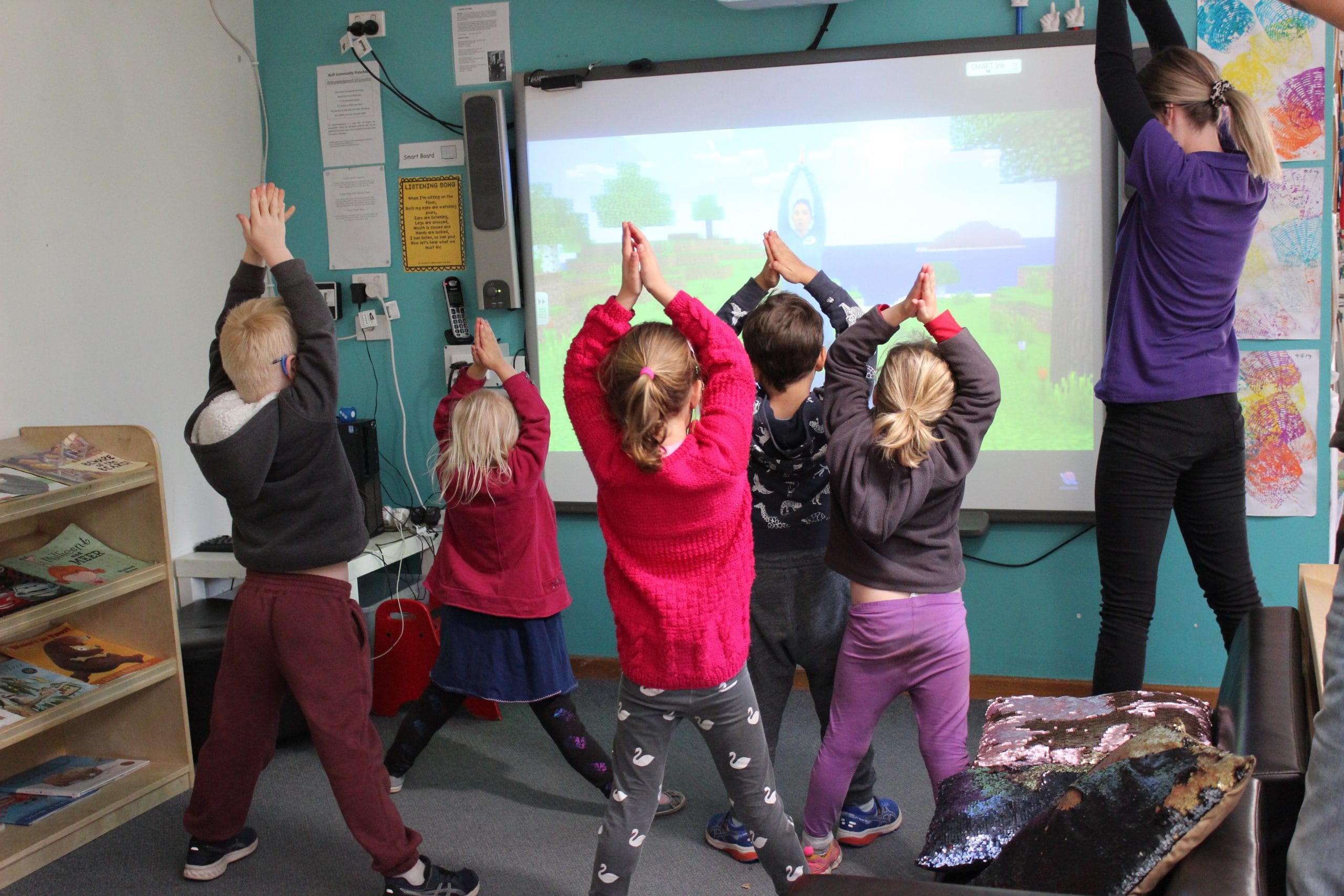
Finally, a major issue in early education isn’t (just) philosophy but staffing and technology use. Many preschools struggle to hire fully qualified, experienced teachers, and that shows in classroom management, communication with parents, and curriculum quality. Too often, children spend less time outdoors and more time in front of screens — even movies — when they could be engaging with the world around them. COVID quickened what was already becoming more prevalent in standard education—that of using screens and videos for instruction supplements. Kids doing yoga along with a video instead of with. One part of me is glad that they are doing yoga and moving their body while another part despairs that our teachers don’t feel equipped to lead and engage with the kids this way. Also the amount of time spent watching movies is probably higher in many places than parents are aware of—I know that was the case for my daughter when she was at public preschool (I only later through careful questioning and inferring discovered it was likely at least once a month). And while movie time is fine every once in a while, once a month (or more) is a fair bit, that’s a lot of movies, and if you are like me and try to be careful about the content they watch that’s like 9+ movies you have no control over being exposed to your child, and then you later wonder how they know about x or why they do y. And while I personally don’t think that appropriate use of technology in classrooms is a bad thing, and agree that technology is everywhere and a large part of society today, I also feel that we lose something indefinable by utilizing it so early in the classroom to boost child engagement. Since technology is so prevalent today, it is something that we almost (or actively) have to fight against in order to ground our kids in the physical world.
Overall, while early education has evolved in positive ways, we still have work to do to create environments — both physical and instructional — that truly nurture young children’s natural curiosity, focus, and joy in learning.

 Community School Initiative
Leave a comment